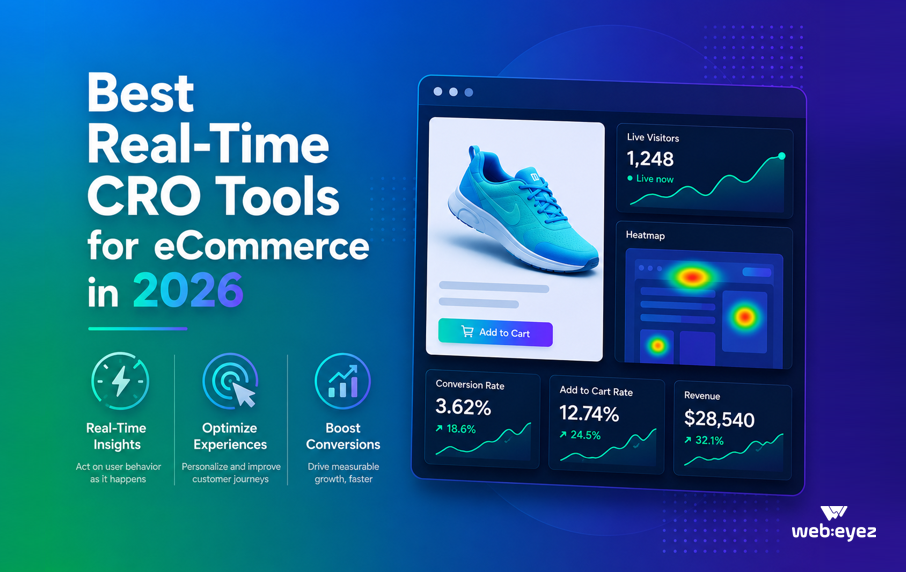


Best Real-Time CRO Tools for eCommerce in 2026
In 2026, eCommerce brands can no longer rely on delayed reports, fragmented analytics, or guesswork to improve conversions.
With global eCommerce conversion rates averaging between 2% and 3%, even small improvements can generate significant revenue growth.
At the same time, customer expectations continue to rise. According to PwC, 52% of consumers stopped buying from a brand after a bad experience, while 29% abandoned brands specifically due to poor customer experience.
This is why modern ecommerce conversion optimization software has evolved far beyond heatmaps and session recordings.
Today’s leading conversion rate optimization (CRO) tools help teams:
- Detect conversion blockers in real time
- Monitor customer journeys across devices
- Identify bugs and errors hurting revenue
- Surface friction before customers abandon
- Support faster, data-driven optimization decisions
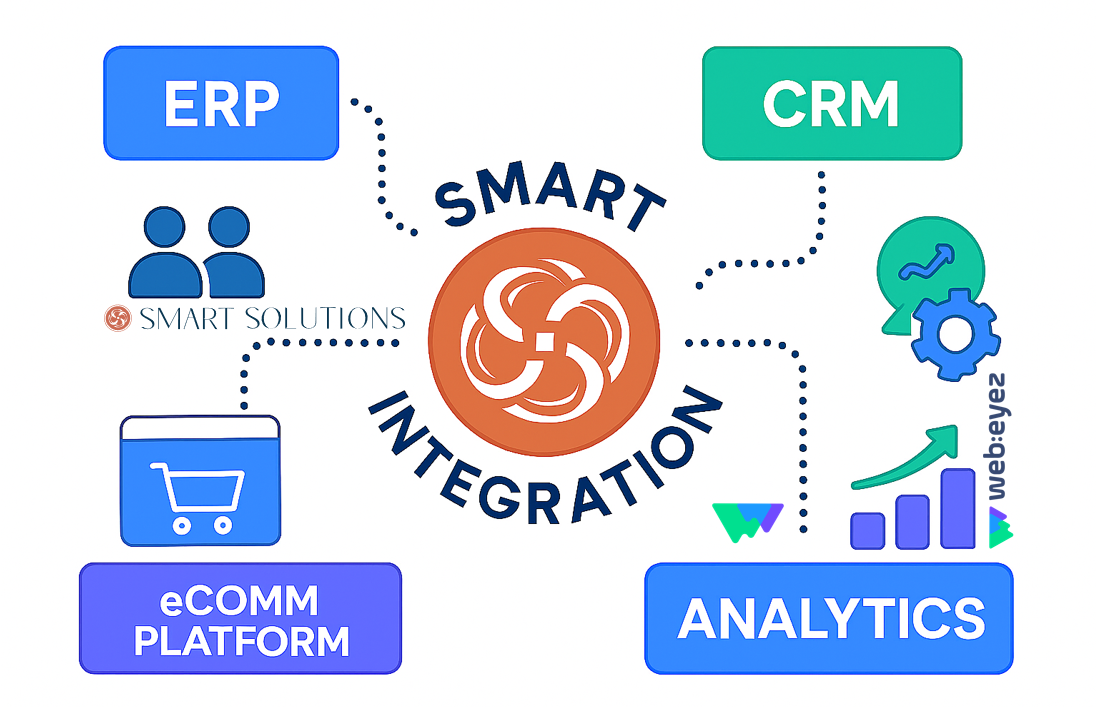
- Integrate with existing analytics stacks
In this guide, we compare the best CRO tools for eCommerce teams in 2026 based on the criteria that matter most.
What Makes a Great CRO Tool in 2026?
Before comparing platforms, it’s important to define what modern optimization teams actually need.
1. Real-Time eCommerce Analytics
Traditional analytics platforms often reveal issues after revenue has already been lost.
The best platforms provide:
- Live monitoring
- Real-time anomaly detection
- Immediate visibility into checkout failures
- Instant alerts for conversion-impacting events
2. Customer Experience Monitoring
Understanding what happened is no longer enough.
Optimization teams need visibility into:
- Customer frustration signals
- Rage clicks
- Dead clicks
- Checkout abandonment patterns
- Session-level behavioral analysis
3. Detecting Site Bugs and Errors Hurting Conversions
Research consistently shows website speed and technical issues directly impact revenue.
A one-second delay in page load can reduce conversions by as much as 7%, while faster sites can achieve dramatically higher conversion rates.
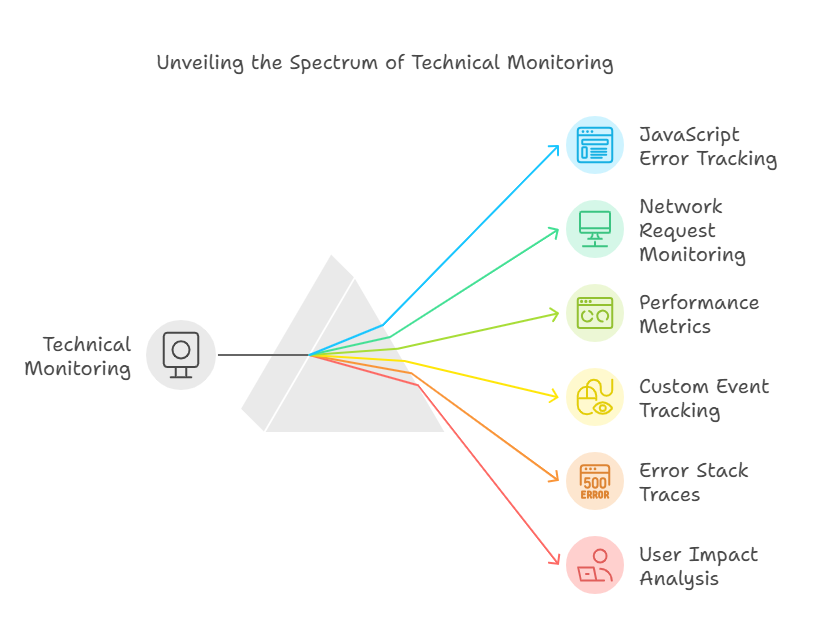
The best CRO tools don’t just visualize behavior – they identify the technical root causes behind conversion losses.
4. Enterprise Scalability
For growing eCommerce brands, platforms must support:
- High traffic volumes
- Multiple storefronts
- Global customer journeys
- Complex product catalogs
5. Integration with Existing Analytics Stacks
Modern optimization workflows often include:
- Google Analytics
- Adobe Analytics
- Shopify
- BigCommerce
- Salesforce
- CDPs and data warehouses
The strongest solutions enhance existing ecosystems rather than replace them.
Best CRO Tools for eCommerce in 2026
1. Webeyez
Best for Real-Time Revenue Protection and Conversion Monitoring
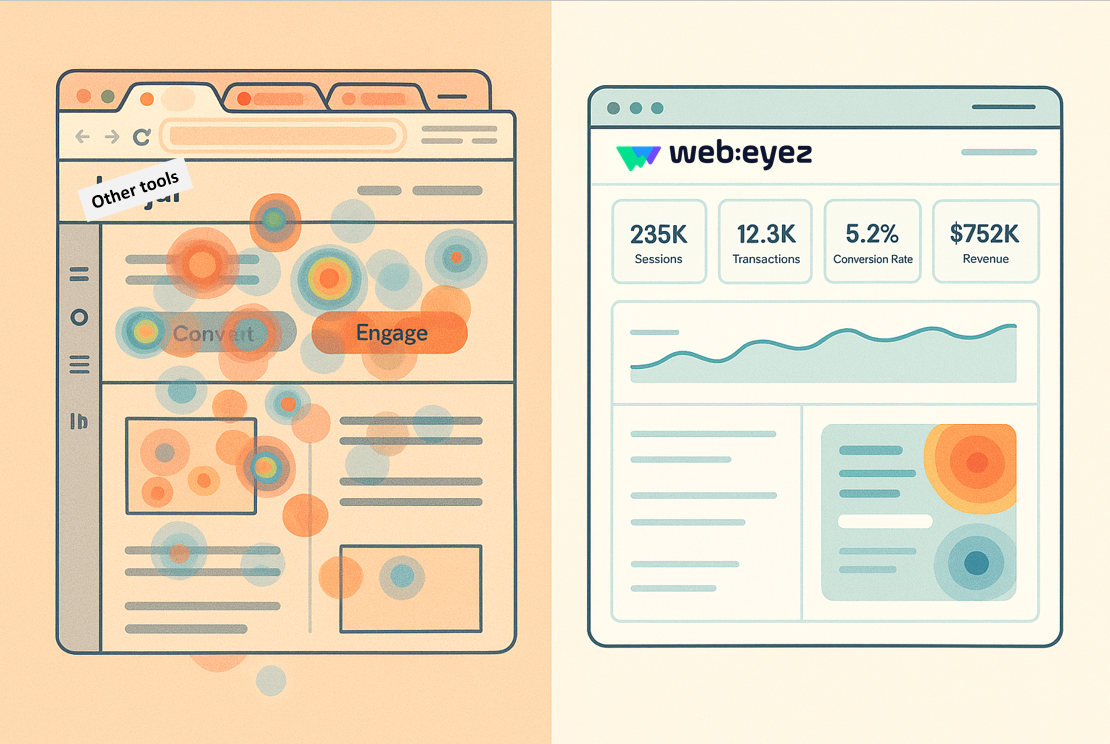
Webeyez combines AI-powered analytics, customer experience monitoring, session replay, and real-time issue detection into a single platform designed specifically for eCommerce.
Unlike traditional CRO platforms that focus primarily on user behavior, Webeyez continuously monitors customer journeys and automatically surfaces conversion-impacting issues.
Key Strengths
- Real-time ecommerce analytics
- AI-driven anomaly detection
- Customer frustration monitoring
- Revenue impact analysis
- Session replay and journey tracking
- Conversion-focused alerts
- Performance and technical monitoring
- Enterprise-ready dashboards
Why eCommerce Teams Choose Webeyez
One of the biggest challenges in CRO is prioritization.
Most teams already know customers abandon carts.
The real question is:
Why?
Webeyez helps teams identify:
- Broken checkout flows
- Payment failures
- Third-party script issues
- Slow-loading pages
- UX friction points
- Device-specific conversion problems
Instead of manually searching through thousands of sessions, teams receive actionable insights tied directly to revenue impact.
Ideal For
- Mid-market and enterprise retailers
- Conversion optimization teams
- Digital analytics managers
- Customer experience leaders
2. Contentsquare
Best for Enterprise Behavioral Analytics
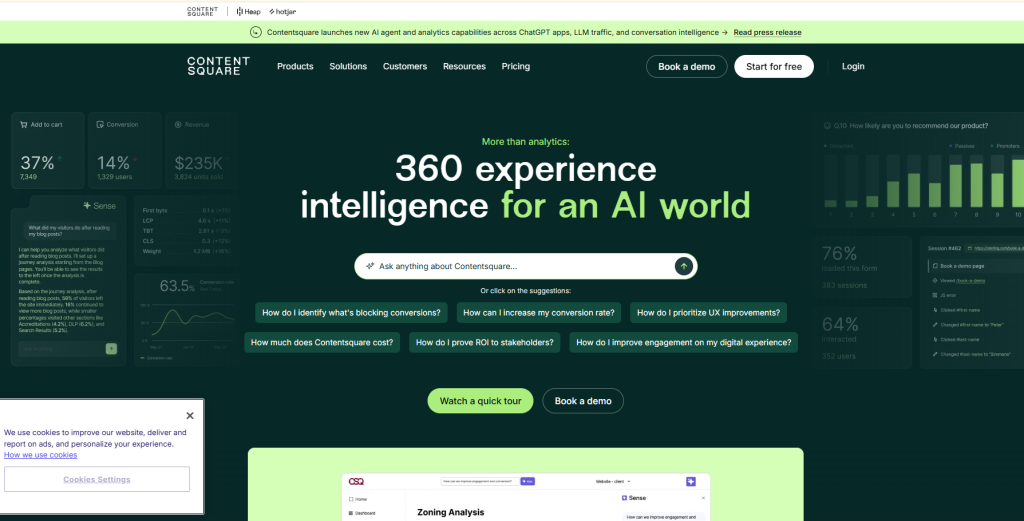
Contentsquare remains one of the most established customer experience analytics platforms.
The platform excels at visualizing large-scale customer behavior through journey analysis, heatmaps, and advanced segmentation.
Key Strengths
- Journey analytics
- Experience scoring
- Behavioral segmentation
- Funnel analysis
- Enterprise governance
Limitations
- Steeper learning curve
- Higher implementation complexity
- Less emphasis on real-time bug detection
Ideal For
Large enterprises with dedicated analytics resources.
3. Fullstory
Best for Session Replay and Digital Experience Analytics
Fullstory has built a strong reputation around session replay and digital experience intelligence.
Its platform provides detailed visibility into user interactions across web and mobile experiences.
Key Strengths
- Session replay
- Event tracking
- User journey analysis
- Frustration signal detection
- Developer debugging workflows
Limitations
- Technical insights often require deeper investigation
- Teams may still need separate monitoring tools
Ideal For
Organizations seeking detailed behavioral diagnostics.
4. Glassbox

Best for Large-Scale Digital Experience Management
Glassbox focuses heavily on customer experience analytics and digital journey visibility.
Its capabilities support regulated industries and large-scale enterprise environments.
Key Strengths
- Journey visualization
- Session replay
- Regulatory compliance support
- Cross-channel analytics
Limitations
- Enterprise-focused pricing
- Can be excessive for smaller eCommerce teams
Ideal For
Global enterprises with complex customer journeys.
5. Mouseflow
Best for Mid-Market Session Analytics
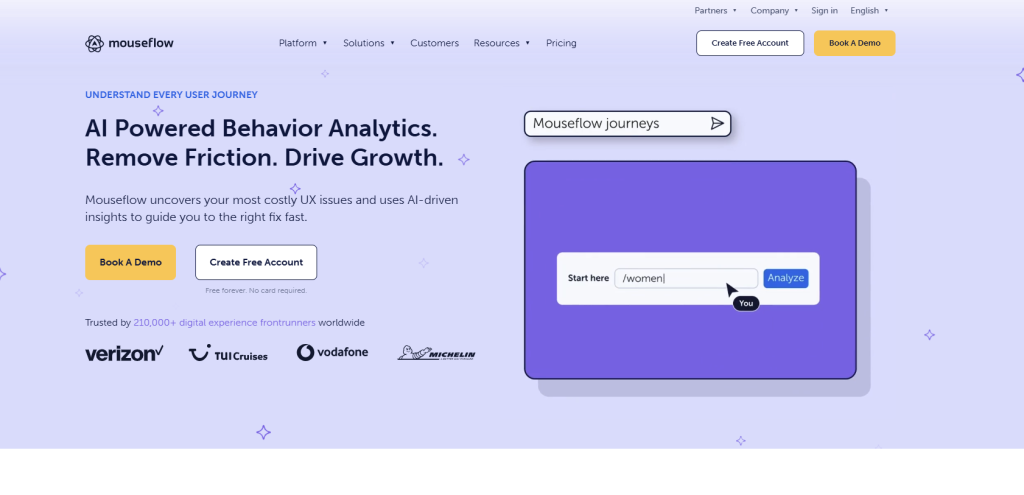
Mouseflow provides heatmaps, session replay, funnels, and feedback tools within a relatively accessible platform.
Key Strengths
- Easy implementation
- Heatmaps
- Session recordings
- Funnel analysis
Limitations
- Less advanced AI capabilities
- Limited proactive issue detection
Ideal For
Growing eCommerce businesses seeking behavioral insights.
6. Crazy Egg
Best for Quick UX Insights
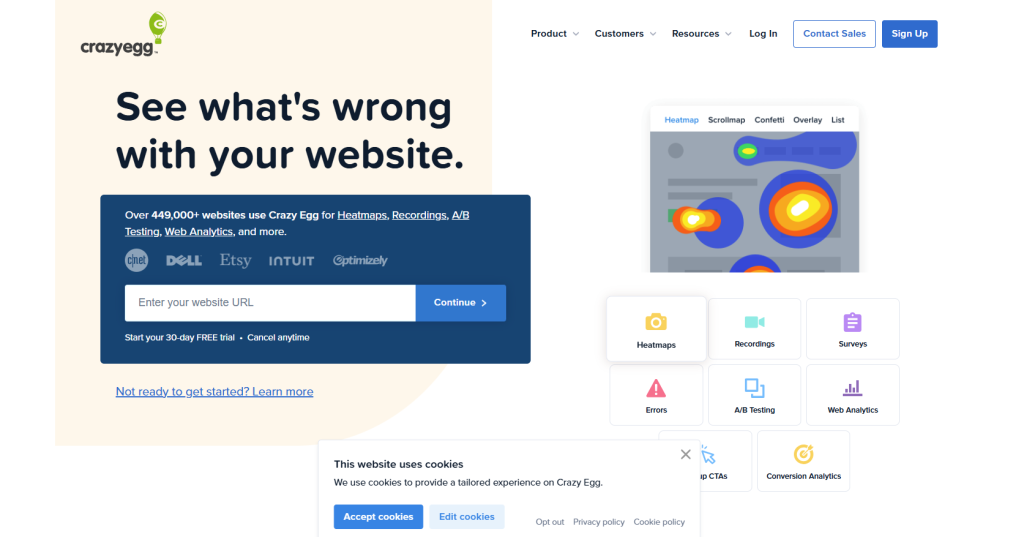
Crazy Egg remains a popular entry-level CRO solution focused on visual analytics.
Key Strengths
- Heatmaps
- Scroll maps
- A/B testing
- Simple reporting
Limitations
- Limited real-time monitoring
- Less suitable for enterprise optimization workflows
Ideal For
Smaller teams looking for straightforward usability insights.
CRO Tool Comparison
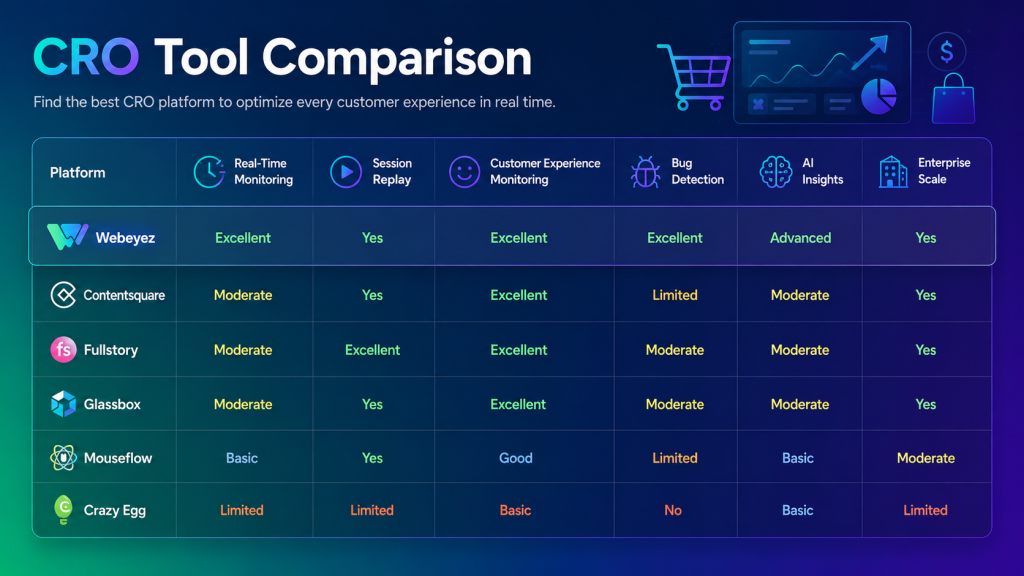
CRO tool comparison for eCommerce platforms
Why Real-Time CRO Matters More Than Ever
The future of conversion optimization is no longer reactive.
Modern eCommerce teams need to identify issues while customers are still shopping – not after weekly reporting cycles.
Customer expectations continue to increase, while tolerance for poor digital experiences continues to decline.
Research shows:
- 32% of consumers will leave a brand after a single bad experience.
- More than half of customers report abandoning brands after negative experiences.
- Site speed remains one of the strongest predictors of conversion performance.
For optimization teams, this means visibility alone is no longer enough.
The winning platforms are those that help teams:
- Detect issues immediately
- Understand customer impact
- Prioritize fixes by revenue loss
- Act before conversions disappear
Final Thoughts
The best ecommerce conversion optimization software in 2026 goes beyond heatmaps and dashboards.
Today’s leaders combine:
- Real-time ecommerce analytics
- Customer experience monitoring
- AI-powered insights
- Bug and error detection
- Revenue impact analysis
- Integration with existing analytics stacks
For teams focused on protecting revenue while improving customer experiences, real-time visibility has become a competitive advantage.
The question is no longer whether conversion issues exist.
It’s whether your team can identify and fix them before your customers leave.
FAQ
What is ecommerce conversion optimization software?
Answer:
Ecommerce conversion optimization software helps online stores identify friction, analyze customer behavior, and improve conversion rates.
What is the best CRO tool for ecommerce?
Answer:
The best CRO tool depends on business needs. Solutions such as Webeyez, Contentsquare, Fullstory, and Glassbox offer different capabilities for analytics, monitoring, and optimization.
How do real-time ecommerce analytics improve conversions?
Answer:
Real-time analytics allow teams to identify issues as they happen and resolve problems before they impact revenue.
Why is customer experience monitoring important?
Answer:
Customer experience monitoring helps teams uncover frustration signals, usability issues, and technical errors that can reduce conversions.