

Ecommerce CRO: The Data-Driven Path to Revenue Growth
Last week, Emily, an ecommerce manager, watched in frustration as thousands of visitors browsed her carefully curated product pages – only to leave without making a purchase. “We have great products, competitive prices, and a beautiful website,” she thought. “So why aren’t they buying?”
This scenario plays out daily across the ecommerce landscape, where the average conversion rate hovers between 2-3%. But here’s the interesting part: top-performing online stores consistently achieve rates of 5% or higher. What do they know that others don’t?
What is CRO? Breaking Down the Basics
Before diving into advanced strategies, let’s understand what CRO really means in the ecommerce world. Conversion Rate Optimization (CRO) is the systematic process of increasing the percentage of website visitors who take a desired action – whether that’s making a purchase, signing up for a newsletter, or adding items to their cart.
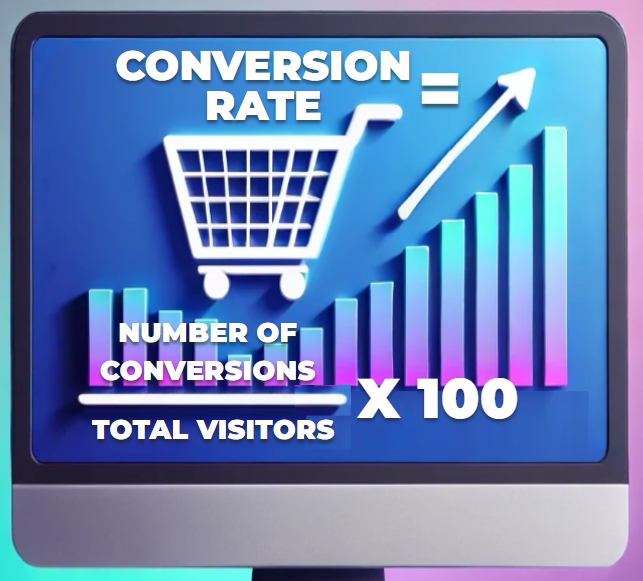
The Basic Math Behind CRO
The formula is simple: Conversion Rate = (Number of Conversions / Total Visitors) × 100
For example, if your online store receives 1,000 visitors in a month and 30 of them make a purchase, your conversion rate is 3%. While this calculation is straightforward, understanding what influences that number is where things get interesting.
Types of Conversions in Ecommerce
Not all conversions are direct sales. In ecommerce, valuable conversions include:
- Primary Conversions
- Completed purchases
- Product orders
- Service subscriptions
- Secondary Conversions
- Email newsletter signups
- Account creations
- Wishlist additions
- Add-to-cart actions
Key CRO Terminology Every Ecommerce Manager Should Know
- Bounce Rate: The percentage of visitors who leave your site after viewing only one page
- Exit Rate: The percentage of visitors who leave from a specific page
- Micro-conversions: Small actions that lead toward the main conversion goal
- A/B Testing: Testing two versions of a page to see which performs better
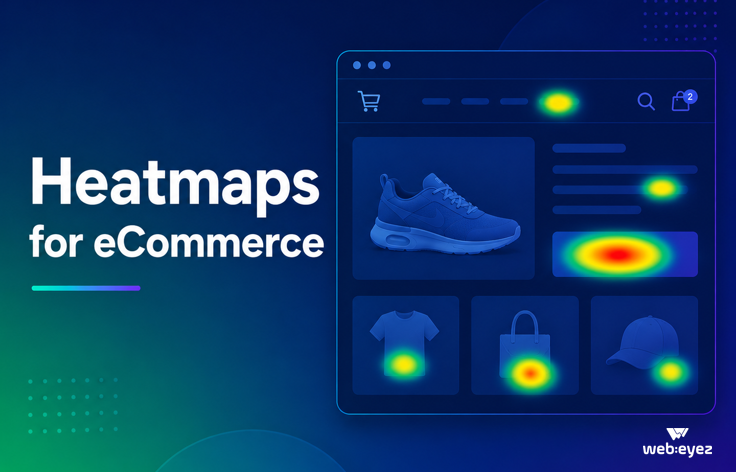
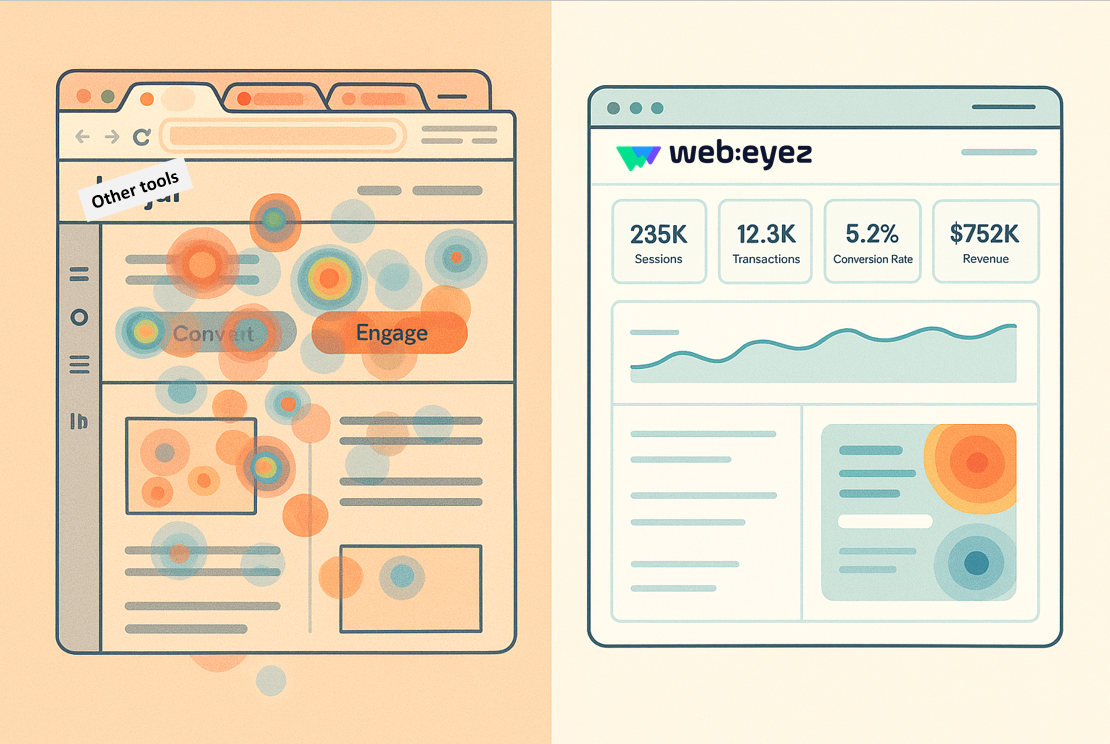
- Heat Maps: Visual representations showing where users click and scroll
- User Flow: The path visitors take through your website
- Cart Abandonment Rate: Percentage of shoppers who add items to cart but don’t complete purchase
Understanding Modern Conversion Rate Optimization
Conversion Rate Optimization (CRO) has evolved far beyond simple A/B testing and button color changes. Today’s successful ecommerce CRO strategy combines data analytics, user psychology, and technical optimization to create seamless shopping experiences that convert.
Your conversion rate is a straightforward calculation: divide the number of conversions by total visitors and multiply by 100. But improving that number requires a sophisticated understanding of multiple factors that influence purchasing decisions. Expert CRO partners like Kozak Group specialize in navigating these complex factors, combining strategic analysis with tactical implementation to transform browsing visitors into paying customers

The three pillars of CRO – Technical Performance, User Psychology, and Customer Experience
The Technical Foundation of Strong Conversions
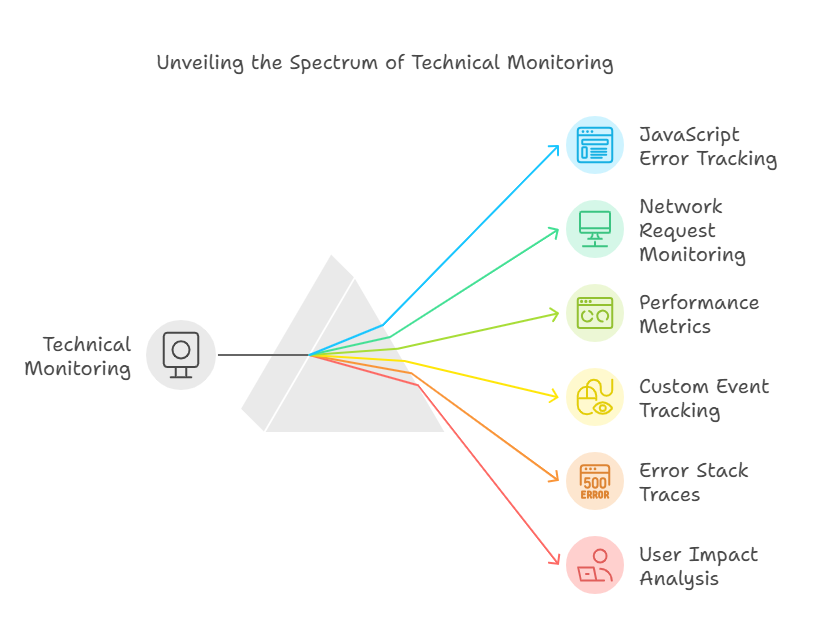
Before diving into psychology and user experience, let’s address the technical elements that directly impact conversion rates:
1. Site Speed and Performance
- Pages that load within 2 seconds have up to 40% higher conversion rates
- Mobile optimization is crucial, with over 60% of shopping journeys starting on mobile devices
- Technical errors can cause up to 75% of potential customers to abandon their purchase
2. Checkout Process Optimization
- Streamlined checkout flows can reduce abandonment by up to 35%
- Optimal form design can increase completion rates significantly
- Payment security indicators boost conversion confidence
The Psychology Behind Purchase Decisions
Understanding why people buy – or don’t buy – is crucial for effective CRO. Research shows that purchasing decisions are influenced by:
- Trust Signals: Security badges, reviews, and professional design
- Social Proof: Customer testimonials and usage statistics
- Urgency: Limited-time offers and inventory alerts
- Risk Reduction: Clear return policies and money-back guarantees
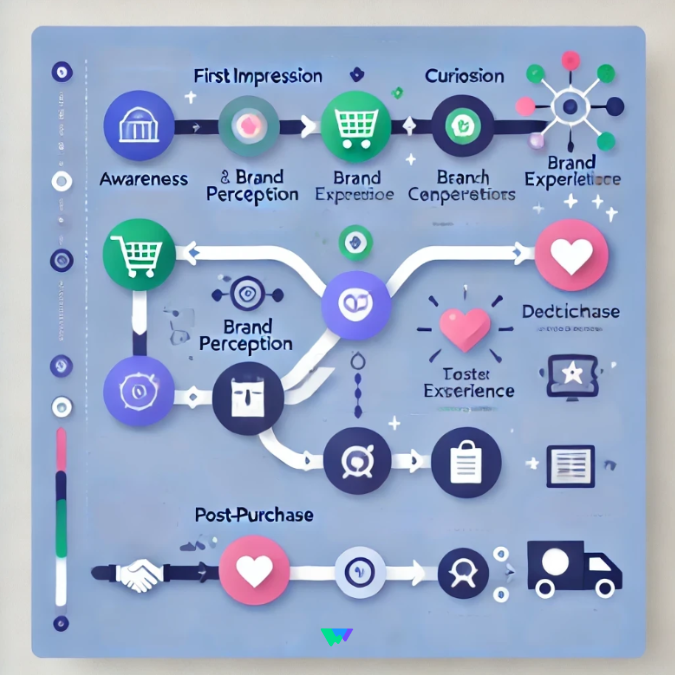
Emotional touchpoints and decision factors is a complex reality of Customer journey
Data-Driven Optimization Strategies
Successful CRO requires systematic measurement and analysis:
Essential Metrics to Track daily
- Add-to-cart rate
- Cart abandonment rate
- Checkout completion rate
- Average order value (AOV)
- Customer lifetime value (CLV)
Advanced Analysis Techniques
- User session recordings
- Heatmap analysis
- Funnel visualization
- Exit intent surveys
- A/B testing
Building a Conversion-Optimized Experience
Modern CRO success relies on creating a cohesive customer experience:
- Seamless Navigation
- Intuitive category structure
- Smart search functionality
- Clear path to purchase
- Product Presentation
- High-quality images and videos
- Detailed product information
- Clear pricing and availability
- Trust Building
- Transparent policies
- Security indicators
- Customer reviews
- Live support options
Future-Proofing Your CRO Strategy
The ecommerce landscape continues to evolve. Stay ahead by preparing for:
- AI-driven personalization
- Voice commerce integration
- Augmented reality shopping
- Mobile-first experiences
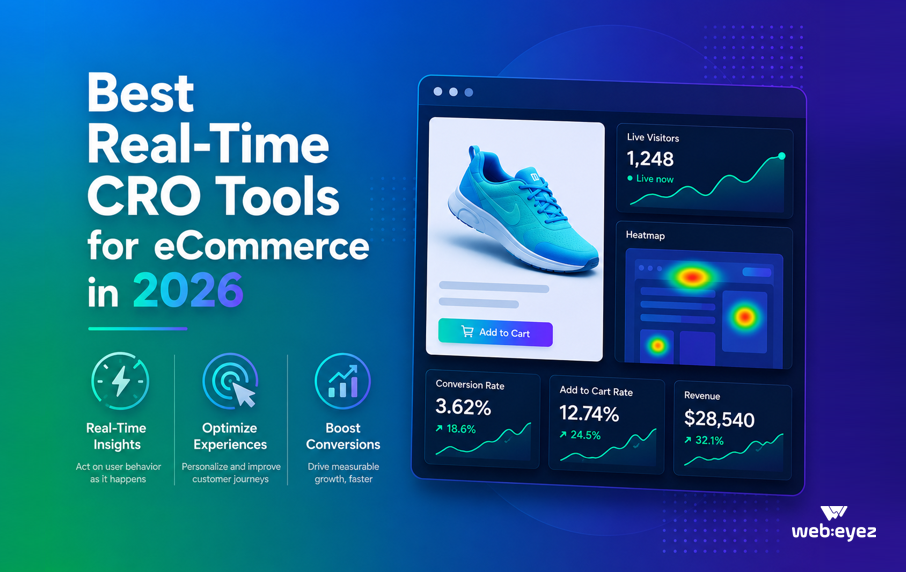
- Real-time optimization
Measuring Success and Iterating
Remember that CRO is an ongoing process, not a one-time project. Implement a systematic approach to:
- Gather data continuously
- Analyze patterns and trends
- Test hypotheses
- Measure results
- Refine and repeat
The Bottom Line
Effective CRO isn’t just about converting more visitors – it’s about creating better shopping experiences that naturally lead to purchases. By combining technical excellence, psychological insights, and data-driven decision-making, you can build an ecommerce presence that not only converts browsers into buyers but turns first-time purchasers into loyal customers.
Start by analyzing your current conversion funnel, identifying key drop-off points, and implementing targeted improvements. Remember, even small improvements in conversion rates can lead to significant revenue gains when applied systematically across your entire customer journey.