

How to Optimize Your Ecommerce Site for Search Engines
Mastering eCommerce SEO: A Comprehensive Guide for Boosting Online Visibility
Ever wondered how some eCommerce sites seem to always pop up at the top of search results while others struggle for visibility? Well, the secret lies in mastering the art of search engine optimization (SEO). As an eCommerce professional, you’ve probably heard about SEO but might be unsure where to start. Well, This comprehensive guide will hold your hand through the key steps to optimize your eComm store and climb those search engine rankings.
From digging up the perfect keywords to fine-tuning your website and building valuable links, get ready to unlock your eCommerce potential and outshine the competition.
Let’s dive into the details and explore practical strategies to enhance your ecommerce SEO.
Keyword Research: The Foundation of eCommerce SEO
Effective keyword research is the bedrock of a successful eCommerce SEO strategy. It involves identifying the high-value search terms that your target audience is actively using.
Unlike traditional keyword research, eCommerce keyword research demands a balanced approach. It targets a mix of informational and commercial keywords to attract potential customers at various stages of the buyer’s journey. For instance, in the sports goods sector, a combination of keywords like “How to choose a tennis racket,” “Nike sports gear,” and” Yoga mat sale” can cater to different user intents.
Leverage advanced keyword research tools like Semrush, Ahrefs, or Ubersuggest – to name a few, to uncover valuable insights and gain a competitive edge. Increase your keyword optimization efforts by crafting compelling product listings that captivate your audience.
For example:
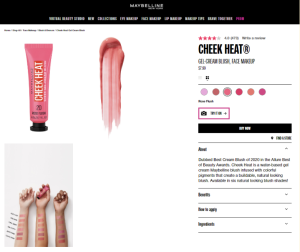
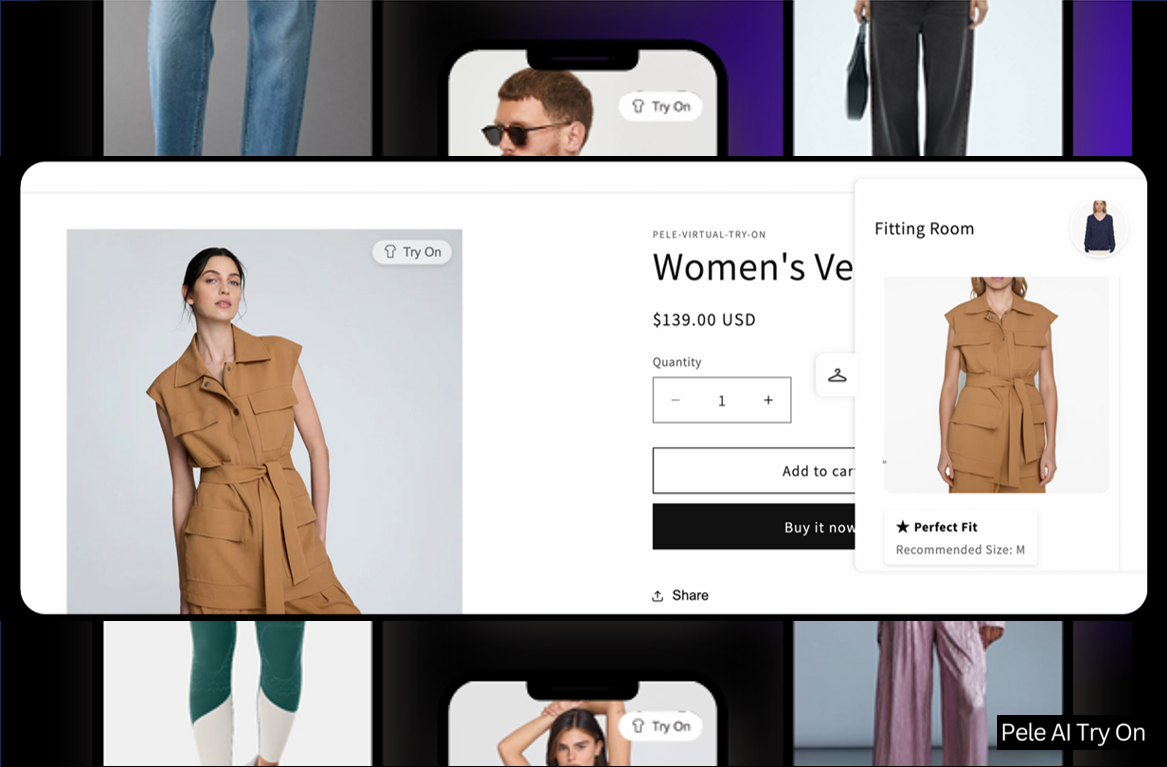
Detailed descriptions, high-quality visuals, and immersive multimedia elements can elevate the online shopping experience, fostering trust and driving conversions.
On-Page SEO: Optimizing for Search Engines and Users
On-page SEO is the art of optimizing your website’s content and structure to enhance its search engine ranking and user experience.
By following these best practices, you can maximize your eCommerce site’s potential.
- Optimize Product Descriptions: Craft unique, detailed, and engaging product descriptions that resonate with your audience and incorporate relevant keywords naturally.
For instance, a bad basic example would be:
“Blue Shirt”
“A blue shirt with buttons and a collar. You can wear it all day long.“
Versus this SEO-optimized version :
“Lightweight Cotton Button-Down Shirt for Men – Breathable, Soft, and Versatile”
Elevate your style with our versatile, premium, lightweight cotton button-down shirt for men. Made from high-quality, breathable cotton fabric, this shirt is perfect for any occasion. Stay cool and comfortable with moisture-wicking properties and a tailored fit that flatters your frame. Choose from timeless navy blue, burgundy, or forest green to effortlessly complement any outfit, from professional to casual. - Technical SEO: Ensure your website is optimized for search engine crawlers, prioritizing factors like fast loading speed, mobile-friendliness, and a seamless user experience.
- Internal Linking: Strategically utilize internal links in your blog posts with targeted keywords to guide customers to relevant product and category pages, improving overall site architecture and SEO performance.
- Content Creation: Develop valuable, shareable content that solves your audience’s pain points, encouraging other websites to link back to your site and boosting its authority.
- User Experience: Enhance your site’s search functionality by implementing features like autocomplete and filters, empowering users to navigate and find desired products effortlessly.
Technical SEO: The Backbone of eCommerce Success
Technical SEO focuses on optimizing the behind-the-scenes elements of your eCommerce website, ensuring a seamless and search engine-friendly experience for users and crawlers alike. By prioritizing the following technical aspects, you can significantly boost your site’s visibility and drive more organic traffic:
- Mobile-Friendly Design: With most online shoppers using mobile devices, it’s crucial to have a responsive and mobile-friendly website that provides a consistent and intuitive shopping experience across all platforms.
- Page Load Speed: Optimize your site’s performance by minimizing image sizes, leveraging browser caching, and reducing server response time, ensuring a lightning-fast user experience that can positively impact search engine rankings.
- Rich Product Listings: Create compelling and unique product listings that accurately describe your offerings, highlighting their features and benefits through detailed descriptions, high-quality visuals, and multimedia content.
- Keyword Optimization: While incorporating relevant keywords is essential, strike a balance by crafting content that resonates with your audience and effectively communicates the value proposition of your products or services.
Content Strategy and Link Building: Elevating Your Online Presence
A well-executed content strategy and robust link-building approach can significantly amplify your eCommerce site’s online visibility and authority.
Consider implementing the following tactics:
- Guest Posting: Leverage guest posting opportunities on relevant niche websites to build high-quality backlinks and establish your brand as an authority in the industry.
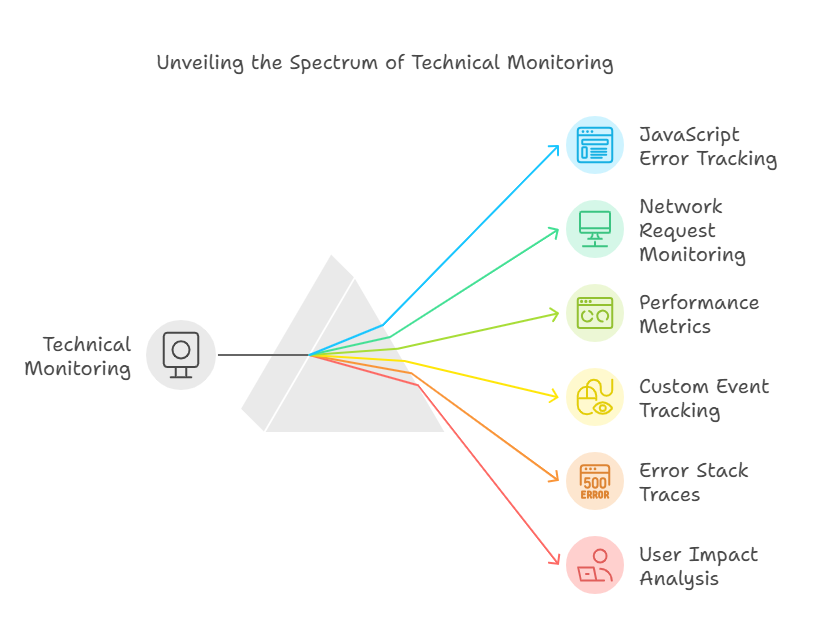
- Technical SEO Optimization: Continuously refine your website’s structure, meta # tags, and performance to ensure a seamless experience for users and search engine crawlers alike.
- Strategic Partnerships: Collaborate with industry partners and influencers to create valuable, shareable content that naturally attracts backlinks and boosts your site’s credibility.
- Effective Outreach: Successful outreach relies on maintaining accurate contacts to ensure your messages reach the right audience. Using tools like QuickEmailVerification helps keep your emails clean, reducing bounce rates and improving overall engagement.
- Generative AI search optimization: ecommerce brands are now exploring generative AI search optimization to ensure their content remains visible across emerging AI-powered platforms. This approach helps businesses adapt to advanced AI algorithms and gain a competitive edge in the evolving landscape of AI-driven search.
- Internal Linking: Strategically link to relevant product pages, category pages, and informative content within your website, incorporating targeted keywords in anchor text for improved navigation and SEO benefits.
- Homepage Optimization: Optimize your homepage by structuring the navigation bar, incorporating visuals with descriptive alt tags, and prominently featuring links to popular products or services, incorporating main keywords and location information.
- Related Products Sections: Implement a section on your website that suggests complementary or related products, enhancing the user experience and potentially boosting sales while encouraging backlinks.
- Prioritized Linking: Prominently link your main categories, products, or services in high-visibility areas like the navigation bar or footer, directing traffic from popular pages to your key offerings.
- Public Relations: Leverage press mentions, media coverage, and PR efforts to secure valuable backlinks from reputable sources, elevating your brand’s credibility and online presence.
Conclusion
Optimizing your eCommerce site for search engines is a multifaceted endeavor that requires a strategic and holistic approach. By mastering keyword research, on-page optimization, technical SEO, content strategy, and link building, you can significantly enhance your website’s visibility, attract qualified organic traffic, and ultimately drive sustainable growth for your online business.
This guide has quite a lot to take in, so if you’re looking for a must-have eCommerce SEO strategy, prioritize keyword research.
By identifying and targeting the right keywords, you can ensure that your content resonates with your target audience, increasing the likelihood of attracting relevant traffic and driving conversions.