

Top 10 CRO Tools for Mid-Sized eCommerce Teams
Why CRO tools matter (TL;DR)
Conversion rate optimization (CRO) is about increasing the percentage of visitors who take action – buying, signing up, or engaging – without increasing traffic.
The reality? Most sites convert only ~2-3% of visitors, meaning the majority of paid traffic is wasted if friction goes unnoticed.
That’s why modern conversion optimization software focuses on three core questions:
- What’s happening? (analytics)
- Why is it happening? (behavior insights)
- What should we test or fix? (experimentation + monitoring)
1. Webeyez – Best for revenue-impacting error monitoring (and full-funnel visibility)
Most CRO tools help you test. Fewer help you protect revenue before it’s lost.
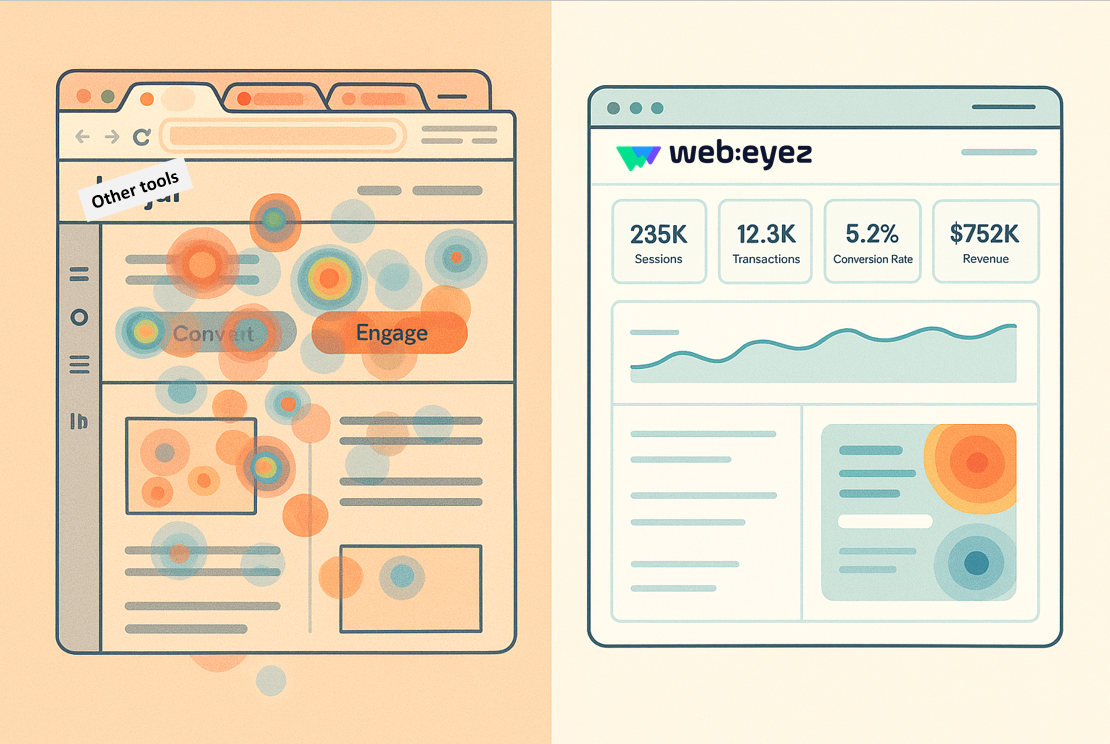
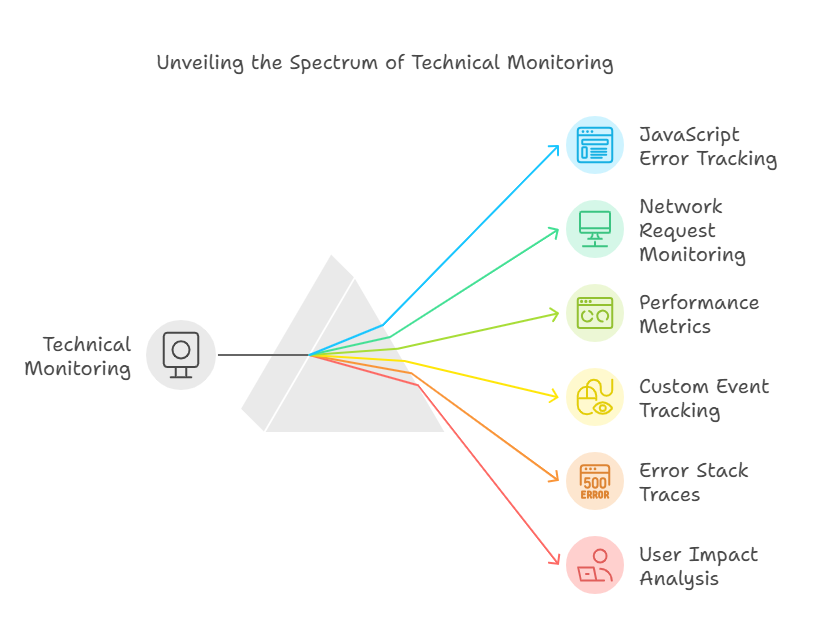
Webeyez stands out by focusing on real-time error detection tied directly to business impact, not just UX signals. Instead of only analyzing behavior, it surfaces technical issues, friction signals, and anomalies that break conversion paths – often before teams even notice.
Best for: Mid-sized eCommerce teams that want CRO + monitoring in one place
Key strengths:
- Revenue-impacting error detection and alerts
- Customer experience monitoring with session-level insights
- Frustration signals tied to conversion drop-offs
- Works alongside existing analytics stack (GA, BI, etc.)
- Designed for fast time-to-value (JS tag implementation)
Why it matters:
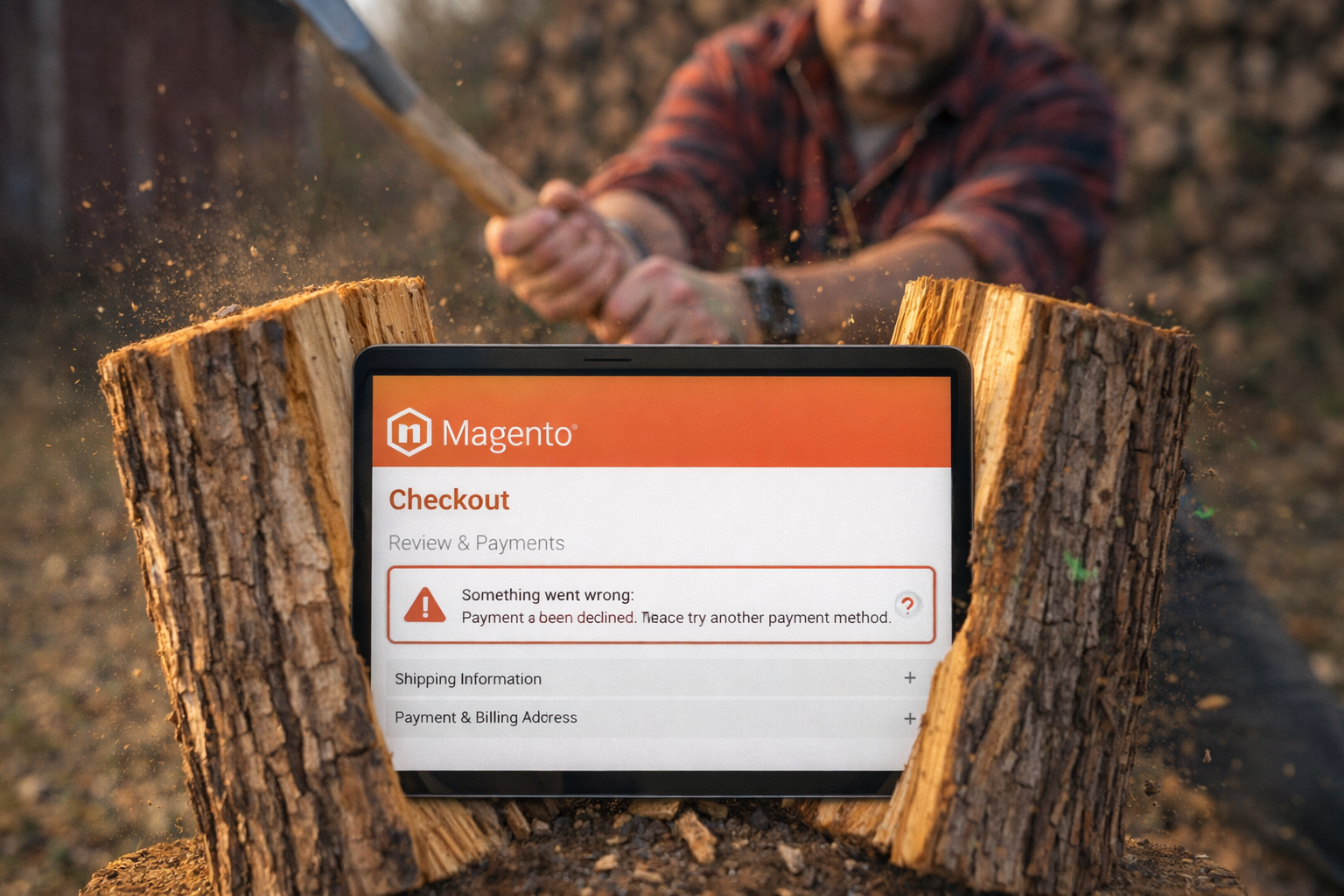
Many CRO stacks miss bugs, broken flows, or performance issues -the exact problems that silently kill conversions. Tools that surface revenue loss in real time are becoming a critical layer in modern ecommerce conversion rate optimization.
Trade-offs:
- Less focused on classic A/B testing compared to experimentation-first tools
- Best when paired with testing tools (not replacing them)
2. VWO – Best all-in-one CRO platform for mid-market teams
A consistent top choice for balancing usability and power, especially for growing teams.
Key features:
- A/B, split URL, and multivariate testing
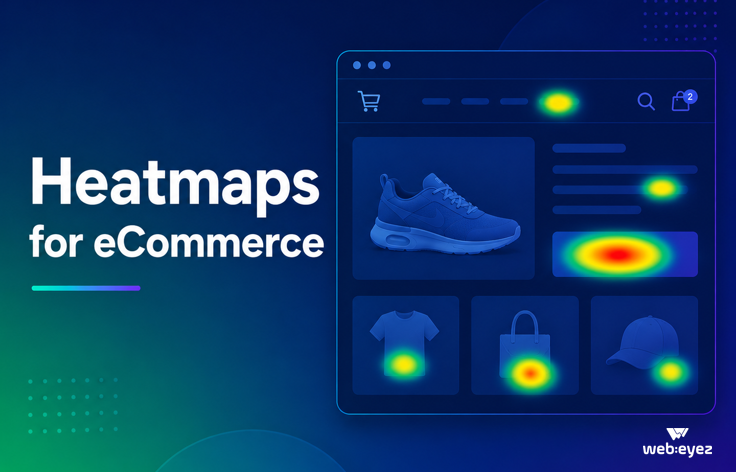
- Heatmaps, session recordings, and form analytics
- Personalization and segmentation
- Strong integrations across marketing tools
Why it stands out:
Combines experimentation and behavioral analytics in one platform – ideal for teams scaling their CRO program.
3. Optimizely – Best for enterprise experimentation
A heavyweight platform for advanced experimentation across web and product.
Key features:
- Advanced A/B and multivariate testing
- Feature flags and rollout control
- Deep integration with product and engineering workflows
Trade-offs:
- Expensive
- Requires technical resources
4. Hotjar – Best for qualitative behavior insights
If you want to understand why users behave the way they do, this is a go-to.
Key features:
- Heatmaps (click, scroll, hover)
- Session recordings
- Surveys and feedback tools
Limitations:
- Limited experimentation capabilities
- More insight than action
5. FullStory – Best for deep session replay + friction detection
A powerful tool for uncovering hidden friction and technical issues.
Key features:
- Session replay with automatic event capture
- Funnel analysis and journey mapping
- Error and frustration detection
Best use case:
Teams looking for deeper technical visibility into user experience issues.
6. Omniconvert – Best for segmentation and customer intelligence
Built for eCommerce teams focused on long-term customer value, not just quick wins.
Key features:
- A/B testing and personalization
- Advanced audience segmentation
- Surveys and NPS tracking
7. Unbounce – Best for landing page optimization
Specialized, but highly effective for paid acquisition teams.
Key features:
- Drag-and-drop landing page builder
- Built-in A/B testing
- AI-driven traffic routing
Limitations:
- Narrow scope (top-of-funnel focus)
8. Crazy Egg – Best for simple CRO visualization
An accessible entry point for teams starting with CRO.
Key features:
- Heatmaps and scrollmaps
- Basic A/B testing
- Easy setup and reporting
9. Google Analytics (GA4) – Best foundational analytics layer
Not a CRO tool by itself – but essential in every stack.
Key features:
- Funnel and conversion tracking
- Traffic and audience insights
- Integration with most tools
Limitations:
- Doesn’t explain why users behave the way they do
10. Personizely – Best lightweight CRO + personalization
A simpler alternative for teams that want quick wins without heavy setup.
Key features:
- Popups, widgets, and personalization
- Basic A/B testing
- Easy integration with ecommerce platforms
How to choose the right conversion optimization software
For mid-sized ecommerce teams, the best stack usually isn’t one tool – it’s a combination:
1. Experimentation (A/B testing):
VWO, Optimizely
2. Behavior analytics:
Hotjar, FullStory
3. Revenue-impact monitoring (often missing):
Webeyez, FullStory
4. Analytics foundation:
GA4
Modern CRO programs combine these layers to avoid blind spots. Relying on just one category leaves gaps – especially when it comes to technical issues and hidden friction that directly impact revenue.
Final takeaway
Most CRO tools help you optimize what you can see.
The best stacks also help you catch what you can’t.
For mid-sized eCommerce teams, the shift is clear:
- From isolated testing → to integrated optimization ecosystems
- From UX insights → to revenue-aware monitoring
- From reactive fixes → to proactive detection
That’s where tools like Webeyez carve out a distinct role – bridging CRO, analytics, and real-time issue detection into a single, revenue-focused workflow.
Sources
- VWO – 19 Best Conversion Rate Optimization Tools + Software (2026)
- Convertify – 15 Best CRO Tools Compared (2026)
- WhatConverts – Best CRO Tools Guide
- ClicksGeek – Conversion Optimization Software Comparison (2026)
- Unbounce – 35 CRO Tools for Marketers (2026)
- Plerdy – Conversion Optimization Software Guide
- Noibu – CRO Tools for Revenue Impact (2025)
- SpeakersStacks – Crazy Egg CRO Software Overview
- Wikipedia – Conversion Rate Optimization Definition
- 7 Best Website Conversion Optimization Tools (2026) (attached article)