

Father’s Day eCommerce Trends: 5 Years of Data, Shopper Behavior, and Conversion Insights
POV:
Father’s Day has become a serious eCommerce opportunity. Over the last five years, consumer spending has remained strong, online shopping has stayed the top purchase channel, and categories like tech gadgets, tools, apparel, personal care, hobbies, and gift experiences have gained momentum. For eCommerce brands, that makes Father’s Day more than a seasonal campaign – it is a high-intent conversion window where site performance, checkout flow, and customer experience can directly impact revenue.
Father’s Day may not get the same hype as Black Friday or Christmas, but for eCommerce brands, that is exactly why it matters.
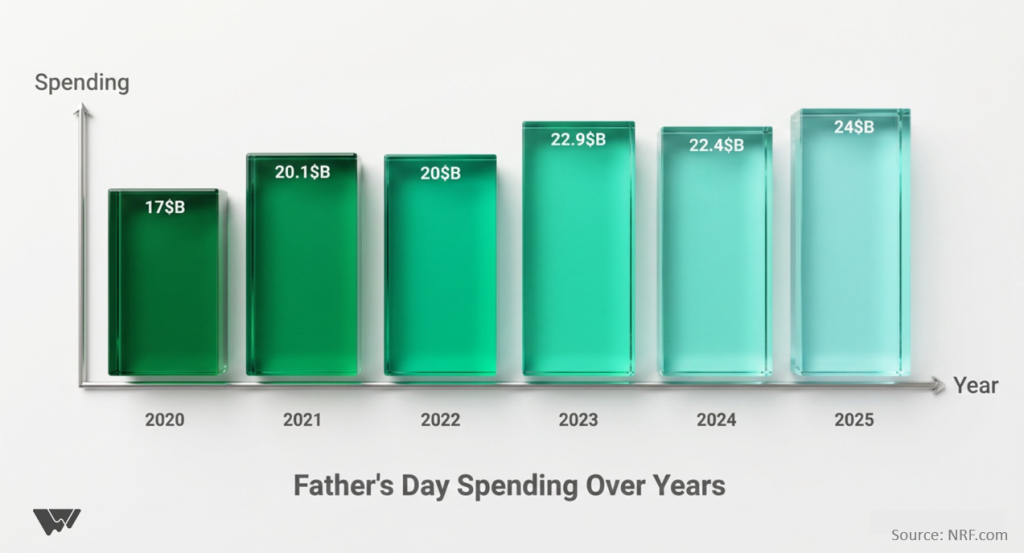
It is a high-intent, emotionally driven, seasonally concentrated shopping moment. And over the last five years, it has quietly become a much bigger commerce opportunity than many brands give it credit for. In the U.S. alone, expected Father’s Day spending rose from a record $20.1 billion in 2021 to $20.0 billion in 2022, $22.9 billion in 2023, $22.4 billion in 2024, and a new record $24 billion in 2025. Average planned spend also climbed from $174.10 in 2021 to $199.38 in 2025.
That is not background noise. That is a signal.
For eCommerce teams, Father’s Day is a useful stress test of merchandising, campaign timing, site performance, and checkout reliability. It is also one of those seasonal events where customer intent is strong, patience is weak, and small moments of friction can quietly kill revenue.

Father’s Day is getting bigger, not smaller
The headline trend is simple: Father’s Day spending has remained resilient and, overall, has moved upward over the last five years. In 2022, spending held near 2021’s record despite inflation pressures. In 2023, it jumped to a then-record $22.9 billion. In 2024, it stayed elevated at $22.4 billion, still the second-highest total in the NRF survey’s history. Then in 2025, it was projected to hit a fresh high of $24 billion.
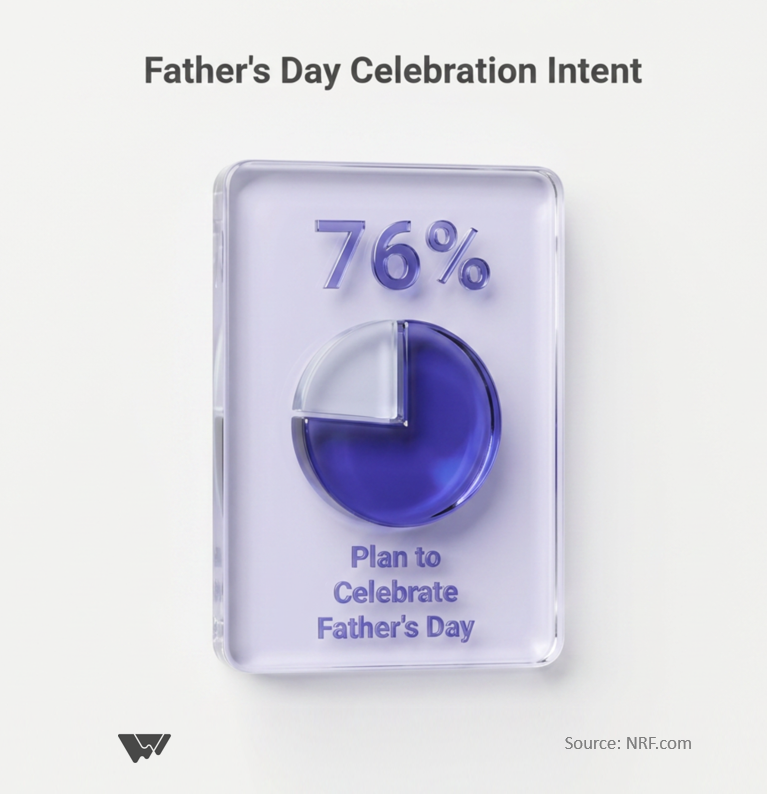
Participation has stayed remarkably steady too. Around three-quarters of consumers have consistently said they plan to celebrate Father’s Day, including 76% in 2022, 75% in 2023, and 76% in 2025.
That consistency matters. It means Father’s Day is not a one-off spike. It is a repeatable seasonal event that brands can plan around with confidence.
The strongest categories are not just “dad gifts” anymore
The old stereotype says Father’s Day is a socks-and-mug holiday. The data says otherwise.
NRF found that the categories driving higher Father’s Day spending in recent years include clothing, electronics, personal care, tools and appliances, home improvement items, gift cards, and special outings. In 2024, NRF specifically noted that spending in tools and appliances, electronics, home improvement, gift cards, and outings had all increased by half a billion dollars or more since 2019.
That makes Father’s Day especially relevant for brands in categories such as:
- Tech gadgets and electronics
- Tools and home improvement
- Hobby-related products
- Outdoor and sporting goods
- Apparel and footwear
- Fragrance and personal care
- Experience-based gifting

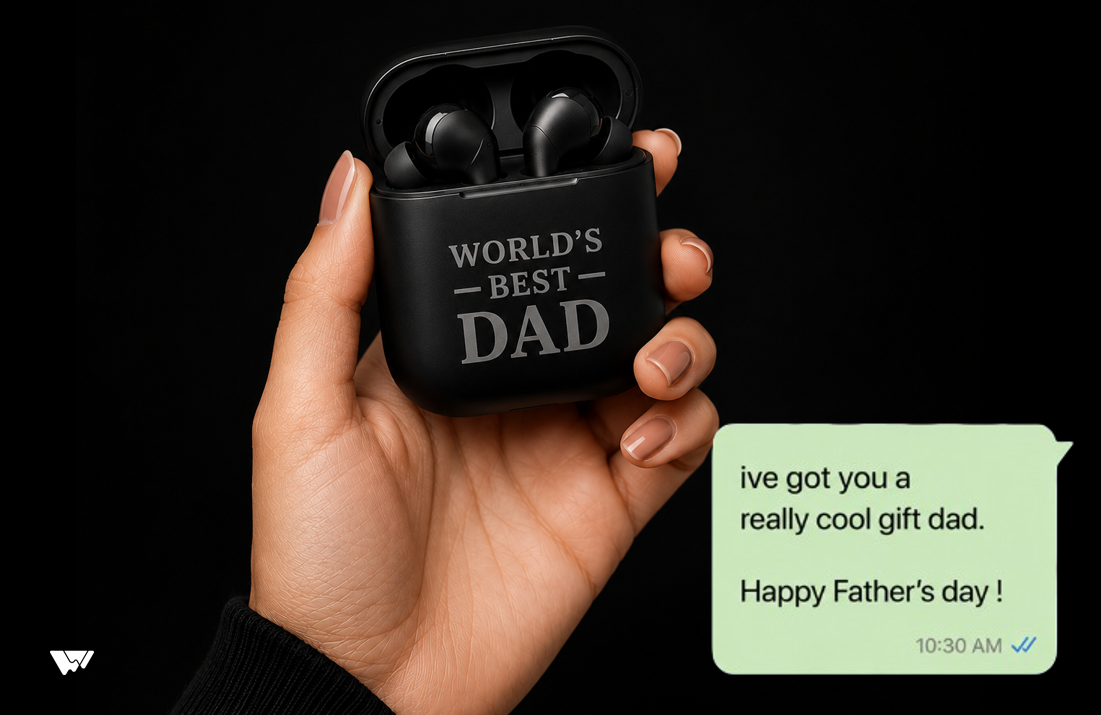
NIQ’s 2025 Father’s Day analysis reinforces that pattern. It highlights apparel and footwear, men’s fragrances, gift cards, sporting goods, hobby products, and home improvement or tools as top consumer choices. It also notes that tech remains a strong Father’s Day vertical, with 50% of tech shoppers planning to buy headphones, alongside interest in wearables and smart home devices.
Pattern’s marketplace data adds another useful layer: demand surges in the lead-up to Father’s Day were especially visible in hobby and practical gift segments. Compared with annual averages, demand rose 181% for golf shoes, 135% for grill thermometers, 125% for grill brushes, 103% for grills, and 78% for men’s cologne. Even woodworking tools showed price-action relevance year over year.
That is the real Father’s Day opportunity: it is no longer just a gifting event for generic products. It is a commerce event for brands selling aspiration, utility, hobbies, self-expression, and experiences.
Online is now the default starting point
If you are running Father’s Day campaigns, assume your shoppers are browsing digitally first.
In 2022, 40% of shoppers said they planned to buy Father’s Day gifts online. In 2023, that rose to 43%, making online the top shopping destination. In 2024, online remained number one at 42%.
That is not just a channel preference. It changes the whole campaign playbook.
Online-first gifting means shoppers are comparing products, checking delivery promises, reading reviews, and hopping across tabs before they commit. It also means the site experience itself becomes part of the campaign. A great ad or email can win the click, but the landing page, product page, and checkout do the heavy lifting.
NIQ’s 2025 analysis also shows how compressed and digitally influenced the Father’s Day journey has become. Nearly 9 in 10 shoppers planned to complete purchases within the month before the holiday, and almost 1 in 4 wait until the final week. At the same time, 66% explore shopping websites and 69% browse stores in person, while social platforms such as Instagram, TikTok, and YouTube increasingly shape decisions.
In plain English: shoppers are inspired everywhere, but conversions often hinge on what happens on-site in the final stretch.
Global patterns: smaller than Mother’s Day, but full of room to grow
Public Father’s Day data is strongest in the U.S., but the broader pattern extends beyond it.
In the UK, GlobalData estimated Father’s Day spending at £695 million in 2024, up 1.8% year over year. Mintel’s UK market summary also found that 48% of consumers bought a gift, and 46% relied on retailer suggestions for last-minute purchases.
That is a useful signal for brands selling internationally. Father’s Day may be a smaller event than Mother’s Day in some markets, but it still creates a meaningful commerce window, especially for retailers that make discovery and decision-making easy. The combination of late shoppers and retailer-led inspiration means merchandising, urgency messaging, gift curation, and onsite guidance can have outsized impact.
Across markets, the trend line looks familiar:
people browse digitally, buy late, and expect the path to purchase to feel fast and obvious.

Father’s Day campaigns are won late
Here is where things get interesting for performance teams.
Father’s Day is a classic last-minute shopping holiday. MNTN’s advertiser analysis found that the week before and week of Father’s Day in 2023 stood out strongly, with a particularly notable revenue spike from June 12–16. It also found that Father’s Day-focused advertisers saw multiple performance metrics improve year over year, including revenue, ROAS, visit rate, and conversion rate, while Q1 2024 performance across Father’s Day-adjacent industries also improved in double digits year over year.
The best-performing industries around the holiday included categories that map neatly to Father’s Day demand: computers and electronics, hobbies and interests, sports, food and drink, automotive, recreation, and shopping. MNTN also found that advertisers running both prospecting and retargeting outperformed brands using only one approach.
This matters because a lot of Father’s Day revenue is made in a narrow window. That means campaign performance is not just about demand generation. It is about whether the site can convert under pressure.
Conversion and cart abandonment: where seasonal revenue quietly leaks
Father’s Day does not need a broken campaign to underperform. It only needs a little friction.
A slow page.
A failed coupon.
A laggy checkout step.
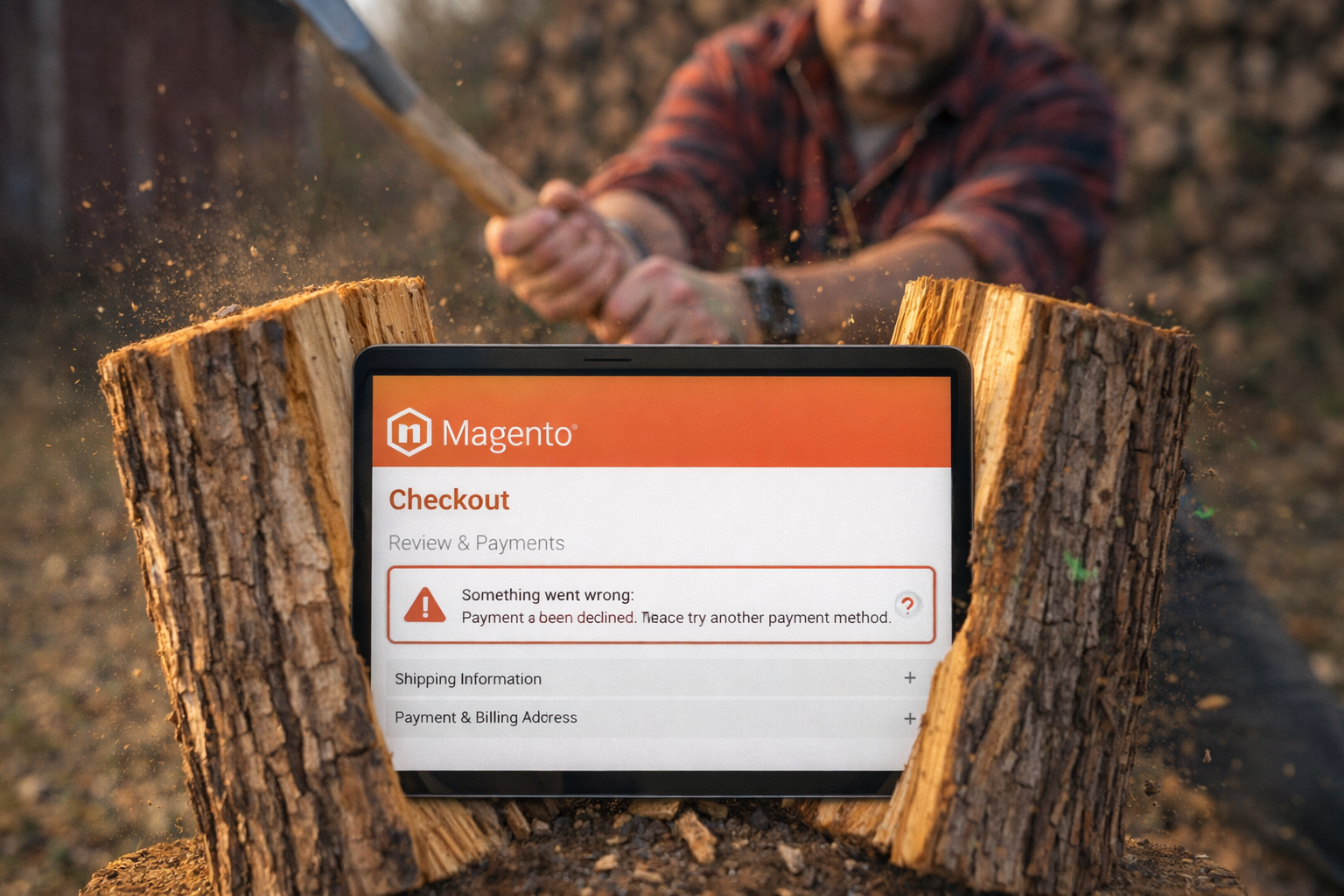
A broken payment call.
A confusing shipping promise.
A mobile issue nobody spotted in time.
General eCommerce data makes the risk clear. WebsitePulse’s 2024 report says shoppers start abandoning when pages take longer than two seconds, around 50% leave after a two-second delay, 76% of shoppers have dropped a purchase at least once due to slow sites, and 15% of cart abandonment is tied to site errors or crashes.
Now stack that against Father’s Day behavior:
late-stage urgency, emotionally motivated buying, high mobile usage, and lots of comparison shopping. If the shopper is already down to the wire, patience gets even shorter.
That means Father’s Day is one of those seasonal moments where conversion optimization is not a “nice to have.” It is revenue protection.
So where does Webeyez come in?
This is exactly the kind of event where Webeyez has a sharp angle.
Father’s Day creates compressed demand, high expectations, and short decision cycles. The brands that win are not just the ones with good campaigns. They are the ones that can see friction fast and remove it before it becomes lost revenue.
Webeyez is especially relevant here because the problem is rarely just traffic. The problem is what happens after the click.
A practical Webeyez angle for Father’s Day would focus on four things:
1. Real-time behavioral insight during the highest-intent window
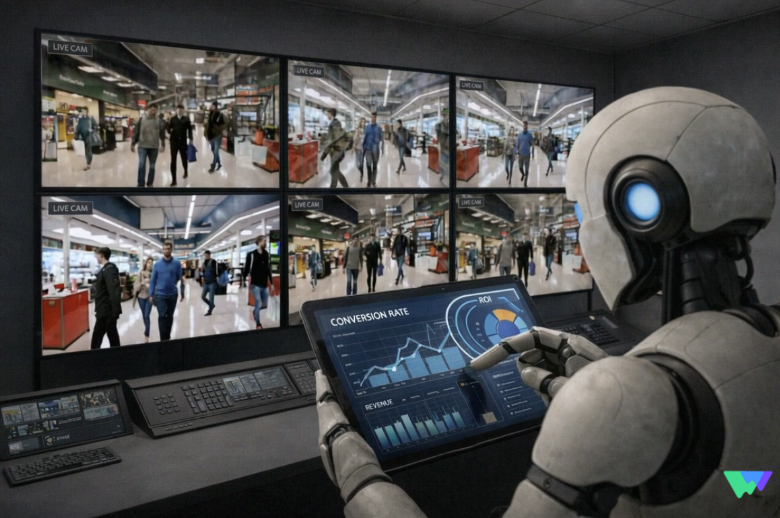
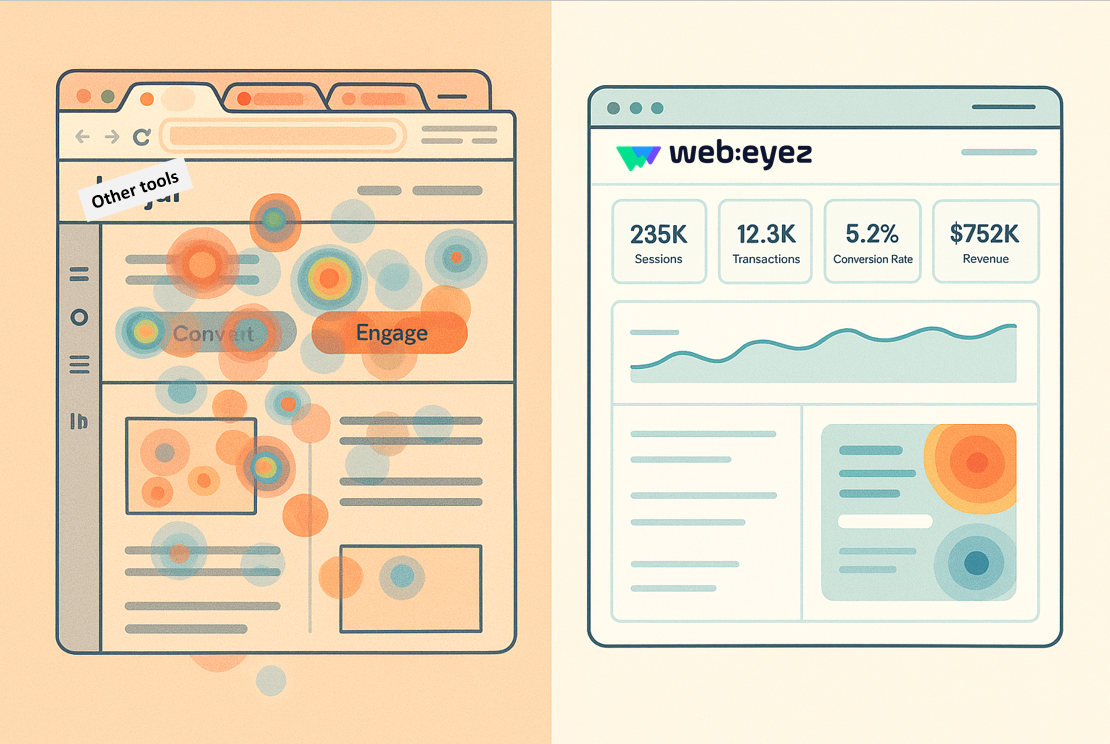
Seasonal traffic spikes hide all kinds of small issues. Webeyez helps teams see how shoppers actually behave in real time, so you can spot where high-intent users hesitate, rage-click, abandon, or fail to complete critical actions. When shoppers are scrambling to buy in the final days before Father’s Day, that visibility is gold.
2. Friction detection before revenue drops become obvious
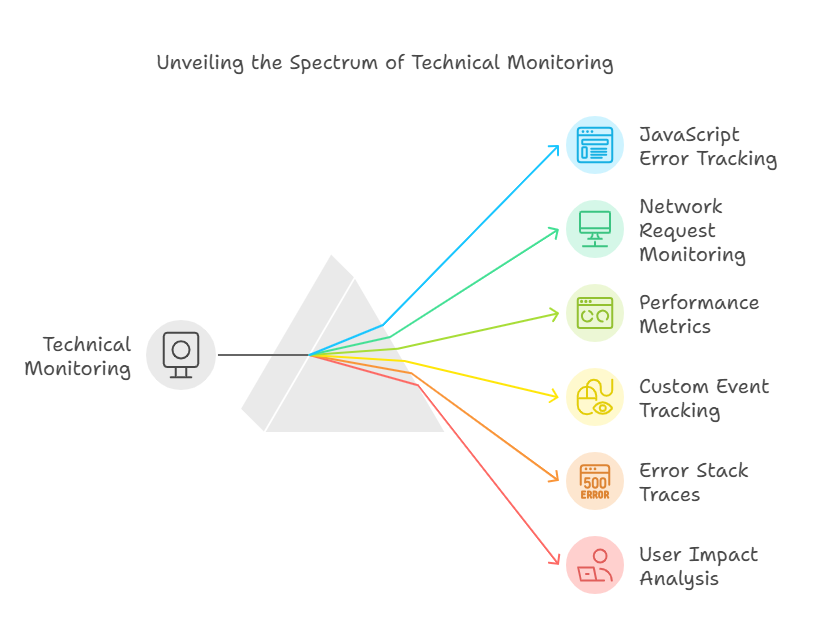
By the time revenue dashboards show a problem, damage is already done. Webeyez’s value is in surfacing technical and UX friction early: checkout errors, payment failures, broken elements, slow pages, mobile-specific issues, or unexpected funnel leaks. That is especially important during Father’s Day because much of the revenue is concentrated into the final stretch. A few hours of unnoticed friction can do real damage.
3. Funnel optimization for gift-driven journeys
Father’s Day shoppers do not always behave like routine shoppers. They often browse by recipient, price band, urgency, or gift category. That makes funnel visibility critical. Webeyez gives eCommerce teams a way to understand where gifting journeys break down, from landing page to cart to payment, and optimize the path while the campaign is live.
4. Better decisions during seasonal campaigns, not after them
A lot of analytics tells you what happened yesterday. Father’s Day needs faster thinking than that. The better angle for Webeyez is not just monitoring. It is helping brands act while the opportunity is still alive: adjust merchandising, escalate technical issues, segment problem sessions, prioritize fixes, and protect revenue in the middle of the event.
That is the story: Father’s Day does not just reward visibility. It rewards speed.
The smart takeaway for eCommerce teams
Father’s Day is no longer a small seasonal footnote. It is a serious commerce moment with clear signals:
- spending is up over the five-year trendline,
- online remains the top shopping destination,
- categories like tech, tools, hobbies, apparel, and experiences are strong,
- shoppers buy late,
- and site friction becomes more expensive as the holiday gets closer.
For brands, the opportunity is not just to run a Father’s Day campaign. It is to run one without losing revenue to invisible friction.
That is where Webeyez has a credible, relevant angle: helping eCommerce teams catch what breaks, understand what customers actually experience, and optimize performance while the seasonal spike is still happening.
Because on Father’s Day, just like in eCommerce generally, the brands that win are usually not the ones shouting the loudest.
They are the ones making it easiest to buy.
Happy selling, and Happy Father’s Day!