

The Impact of Social Media Analytics on Your Digital Marketing Strategy
Leveraging Social Media Analytics to Boost Retail and Ecommerce Performance
Did you know that brands with superior social media analytics intelligence are 1.5x more likely to grow revenue faster than their competitors? In today’s digital-first retail landscape, social media isn’t just about likes and shares—it’s a goldmine of data that can directly impact your bottom line.
As marketing pros in the retail and ecommerce space, we’re all too familiar with the pivotal role social media plays in our strategies. But let’s face it – in this data-driven age, simply having a social presence isn’t enough. The real question is: are we extracting maximum value from our social media efforts to drive tangible business results?
Let’s examine how we can leverage social media analytics to improve our marketing and significantly boost our eCommerce performance.
Beyond Vanity Metrics: Extracting Actionable Insights
We’ve all been there – getting excited about a spike in likes or followers. But as seasoned marketers, we know these vanity metrics barely scratch the surface.
Let’s talk about digging deeper:
1. Customer Journey Mapping
Social media analytics can provide invaluable insights into the customer journey. By tracking interactions across different platforms, we can identify:
- Key touchpoints where customers engage with our brand
- Common pain points or drop-off points in the journey
- Opportunities for personalized interventions
Action Point: Use multi-touch attribution models to understand how social media interactions contribute to conversions. This can help optimize ad spend across different platforms and stages of the funnel.
Case Study: Fashion retailer ASOS used social media analytics to map its customer journey and identified that users who engaged with its Instagram Stories were three times more likely to make a purchase. ASOS reallocated its ad spend to focus more on Instagram Story ads, resulting in a 15% increase in conversions.
2. Predictive Analytics for Inventory Management
Here’s where social media analytics gets really interesting for retail and eCommerce. By analyzing social media trends and engagement patterns, we can predict demand for specific products. This isn’t just about avoiding stockouts—it’s about optimizing inventory levels and reducing carrying costs.
Pro Tip: Integrate your social media analytics with your inventory management system. If you’re seeing a surge in engagement around a particular product, that’s your cue to stock up.
Example: A popular outdoor gear retailer noticed a spike in social media engagement around eco-friendly camping equipment. They used this data to increase their inventory of sustainable products, resulting in a 25% boost in sales in that category and avoiding potential stockouts during peak camping season.
3. Real-time Pricing Optimization
Let’s face it, pricing can make or break a sale. Social media analytics can provide real-time insights into:
- Competitor pricing strategies
- Consumer sentiment around price points
- Price sensitivity for different customer segments
By leveraging these insights, we can implement dynamic pricing strategies that maximize both sales and margins.
” Real-time pricing optimization is a game-changer for businesses looking to stay competitive in today’s dynamic markets. By leveraging advanced algorithms and data insights, companies can adjust prices instantly to meet demand, maximize revenue, and enhance customer satisfaction.” – Adrian Hill, Digital Growth Specialist at Paystub Hero
Case Study: A major Electronics retailer used social media sentiment analysis to gauge consumer reactions to their pricing. They found that customers were more price-sensitive about accessories than main products. By slightly lowering accessory prices and bundling them with main products, they increased overall cart values by 12%.

Harnessing AI and Machine Learning in Social Analytics
If you’re not already incorporating AI and ML into your social media analytics, you’re leaving money on the table. Here’s how these technologies are revolutionizing our approach:
1. Advanced Sentiment Analysis
Gone are the days of simple positive/negative sentiment classification. AI-powered sentiment analysis can now detect nuanced emotions, sarcasm, and even purchase intent. This level of insight is gold for crafting marketing messages that truly resonate.
Cosmetics brands used AI-powered sentiment analysis to analyze customer reviews and social media comments. They discovered that customers often expressed frustration with finding the right foundation shade. In response, they developed a mobile app that uses AI to help customers find their perfect match!
2. Visual Analytics
With the rise of visual platforms like Instagram and TikTok, image and video analysis is crucial. AI can analyze visual content to:
- Identify products featured in user-generated content
- Detect emerging visual trends in your niche
- Measure brand logo visibility across social platforms
Action Point: Use visual analytics to inform your product photography and video content strategy. If user-generated content featuring your products in certain settings performs well, replicate those elements in your official content.
Leading beauty brands like Sephora likely leverage AI-powered visual analytics to monitor their presence on visual platforms like Instagram and TikTok. By analyzing user-generated content, they can identify which products are resonating with their audience, detect emerging trends in makeup styles, and measure brand logo visibility.
3. Predictive Churn Analysis
By analyzing patterns in social media engagement, AI can predict which customers are at risk of churning. This allows for proactive retention strategies, a crucial factor in the competitive ecommerce landscape.
Example: An Online subscription box service used AI to analyze social media engagement patterns and identify customers at risk of canceling their subscriptions. They implemented targeted retention campaigns for these customers, reducing churn by ~15%.
Integrating Social Insights Across the Organization
As marketing leaders, our role isn’t just about running campaigns – it’s about driving business growth. Here’s how we can use social media analytics to influence broader business strategies:
1. Product Development
Social listening isn’t just for the marketing team. By analyzing social conversations, we can uncover:
- Unmet customer needs
- Common pain points with existing products
- Feature requests and improvement suggestions
This information is invaluable for product teams in shaping the development roadmap.
Case Study: Fitness apparel brand Lululemon used social listening to identify a common complaint about their yoga pants being see-through when stretched. They quickly addressed this issue in their product development, leading to improved customer satisfaction and a 20% increase in sales of yoga pants.
2. Customer Service Enhancement
Social media is often the first place customers turn to for support. By analyzing these interactions, we can:
- Identify common issues and create proactive solutions
- Optimize resource allocation in customer service teams
- Develop more effective self-service options
Pro Tip: Use chatbots trained in social media interactions to provide instant, 24/7 customer support on your website and apps.
3. Influencer Partnership Optimization
In the retail and eCommerce space, influencer partnerships can significantly impact sales.
Use social analytics to:
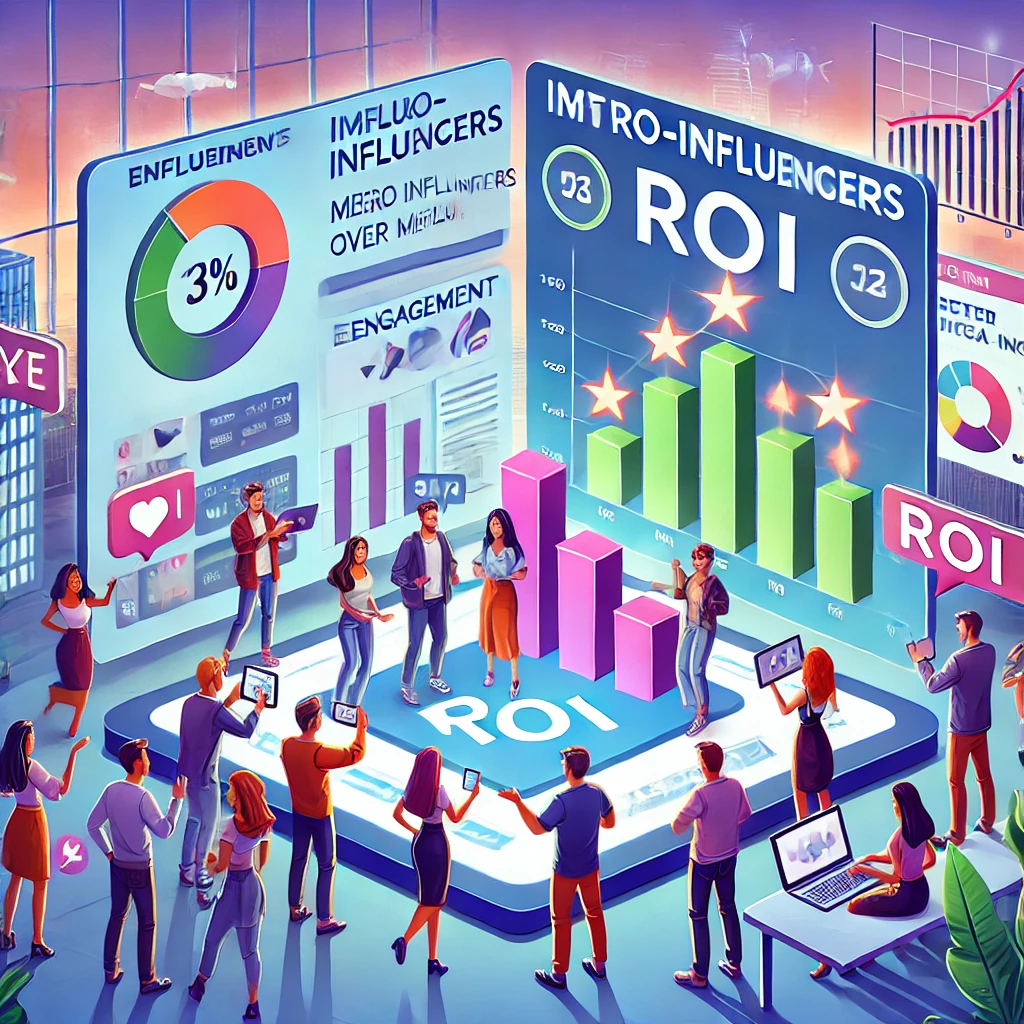
- Identify micro-influencers with high engagement in your niche
- Measure the true ROI of influencer partnerships beyond just reach
- Optimize influencer content based on performance data
- find the best influencers.
Pro Tip: Finding the best influencers for your brand involves not only looking at follower count but also at engagement rates and relevance to your target audience. By honing in on micro-influencers who resonate with your demographic, you can achieve more authentic connections and drive higher engagement.
Case Study: The beauty brand Glossier used social analytics to identify micro-influencers with high engagement rates in its target demographic. By partnering with these influencers instead of mega-influencers, Glossier achieved a 5x higher ROI on its influencer marketing spend.
The Future of Social Media Analytics in Retail and eCommerce
As we look ahead, several trends are shaping the future of social media analytics in our industry:
- Integration of Online and Offline Data: With the rise of omnichannel retail, bridging the gap between online interactions and in-store behavior will be crucial.
- Voice and Audio Analytics: As platforms like Clubhouse gain traction, analyzing audio content will become increasingly important.
- Blockchain for Data Transparency: Blockchain technology could revolutionize how we collect, store, and analyze social media data, ensuring greater transparency and trust.
Conclusion: Taking Action
Social media analytics isn’t just a tool for measuring campaign performance—it’s a powerful engine for driving business growth in the retail and eCommerce sectors. By leveraging advanced analytics, integrating insights across the organization, and staying ahead of emerging trends, we can turn social media data into a true competitive advantage.
The data is there – are you ready to harness its full potential? Here’s your action plan:
- Audit your current social media analytics practices. Are you looking beyond vanity metrics?
- Invest in AI-powered analytics tools to uncover deeper insights (Recommendations blog coming soon, so stay tuned!).
- Create cross-functional teams to act on social media insights across your organization.
- Experiment with predictive analytics for inventory management and pricing optimization.
- Stay informed about emerging trends in social media analytics.
Remember, in our fast-paced industry, the ability to quickly extract actionable insights from social media data isn’t just nice to have – it’s a necessity for staying ahead of the curve. So, let’s embrace the power of social media analytics and take your eCommerce businesses to new heights.